Deixe que os nossos especialistas em embalagens analisem o seu projeto
Partilhe os seus requisitos de embalagem antes de sair. Os nossos especialistas podem analisar o seu esquema de corte, arte final, materiais, encartes, acabamentos, certificações, quantidade mínima de encomenda (MOQ), controlos de qualidade e expectativas de entrega.
Olha, uma caixa rígida não se limita a “conter” o produto.
Por favor.
Essa explicação parece clara, mas quem já assistiu a uma sessão de amostragem de embalagens sabe que ela não reflete o que realmente acontece. Vemos os compradores a pegarem numa amostra, a apertarem a parede lateral, a puxarem a tampa, a verificarem o folheto, a esfregarem o papel e só depois de tudo isso é que perguntam sobre a estampagem em folha metálica ou o tamanho do logótipo.
A mão vem primeiro.
Isso é importante. Uma embalagem de cartão dobrável é aberta. Uma caixa rígida faz com que as pessoas hesitem. Não por muito tempo. Talvez meio segundo. Mas, no caso das embalagens de luxo, meio segundo pode alterar a forma como o cliente interpreta o preço.
Peso. Atrito. Controlo da tampa. Ajuste da peça de inserção.
Olha, os clientes avaliam a embalagem muito antes de darem uma oportunidade justa ao produto. Vemos isso constantemente. As pessoas raramente o dizem em voz alta, mas o seu comportamento denuncia-as em segundos. A mão move-se primeiro. O julgamento segue-se. Rapidamente. Às vezes, de forma injustamente rápida. No entanto, é assim que as verdadeiras decisões de compra acontecem. Pegam na caixa. Sentem o peso. Passam o polegar pela superfície. E se for perfume? A caixa é inspecionada antes mesmo de uma única nota da fragrância chegar aos seus sentidos. Quem compra perfume apalpa a caixa antes de cheirar a fragrância. Um cliente de joalharia abre a tampa antes de tocar no colar. Quem compra uma vela repara no embrulho dos cantos, no recorte da bandeja, no papel da superfície e na folga da tampa antes de a cera ter uma oportunidade justa.
Julgamento rápido.
Às vezes injusto. Mas mesmo assim real.
É por isso que caixas rígidas personalizadas são importantes nas categorias de gama alta. Proporcionam à marca uma primeira impressão bem controlada. Sem cantos de cartão amassados. Sem artigos soltos a baterem dentro da embalagem de envio. Sem cartão fino a fingir que transporta um produto de valor elevado.
Sinceramente, acreditamos que isto é ainda mais importante agora, porque os compradores de artigos de luxo se tornaram menos indulgentes. A Reuters noticiou que o mercado de luxo da China registou uma queda De 18% para 20% em 2024, prevendo-se que as vendas se mantenham estáveis em 2025, com base na análise da Bain & Company. Isto não é apenas uma notícia sobre o mercado de luxo. Mostra às marcas que os clientes continuam a comprar artigos caros, mas questionam mais rapidamente a falta de valor. Fonte: Reuters sobre o mercado de luxo da China a entrar numa nova normalidade.
Portanto, sim, a caixa protege o artigo.
Mas sejamos honestos. Também protege o preço.
O vendedor de enfeites do Reddit fez a pergunta certa
Uma vez, vimos um pequeno vendedor de artigos decorativos de luxo no Reddit a pedir conselhos sobre embalagens para produtos artesanais com preços na ordem dos $50–$200.
Isso ficou-me na memória.
Não porque o vendedor quisesse uma “embalagem sofisticada”. Toda a gente diz isso. «Sofisticado» é um conceito vago. O «sofisticado» é um desperdício de dinheiro. O que eles realmente queriam parecia muito mais prático: resistente, elegante, com um toque de design, que permitisse a apresentação de amostras e que, ainda assim, se enquadrasse num orçamento realista por caixa.
Isso é mesmo um briefing de embalagem.
Uma resposta destacou um aspeto que a maioria das marcas deveria ter em conta antes de desperdiçar três iterações no design gráfico: a estrutura vem em primeiro lugar. Uma caixa simples e rígida, com fecho magnético, tampa removível, inserção simples e uma boa textura superficial pode transmitir uma sensação de maior qualidade do que uma caixa coberta por elementos gráficos excessivos, tinta metálica e acabamentos exagerados.
Concordamos.
Pela nossa experiência, os compradores reparam primeiro na espessura do cartão e só depois no revestimento. Testam a resistência da tampa antes de avaliarem a profundidade do relevo. Verificam se o encaixe segura o produto com firmeza ou se o deixa a chacoalhar como um brinde de uma prateleira de pechinchas.
Aquele barulho?
Más notícias.
Isso destrói a sensação de exclusividade antes mesmo de o cliente chegar ao produto.
Para que servem as caixas rígidas de luxo?
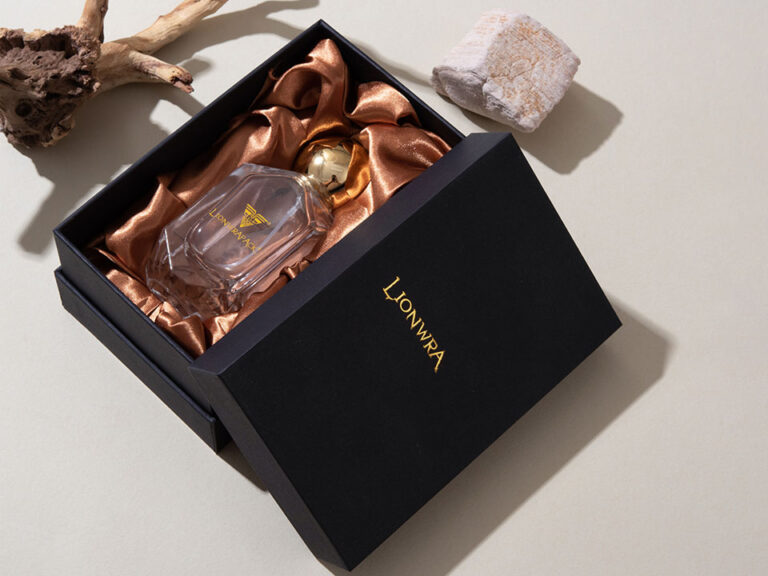
As marcas utilizam caixas rígidas de luxo para muito mais do que uma simples proteção. Já vimos que ajudam os produtos premium a chegar em segurança, claro, mas isso é apenas parte da história. A função mais importante? Moldam a primeira reação do cliente. Antes de abrir a tampa. Antes de tocar no produto. Antes de alguém decidir se o preço parece justo. Uma caixa rígida bem feita pode fazer com que a oferta pareça intencional, elevar o valor percebido e criar aquela breve pausa em que alguém pensa: “Ok, isto parece diferente.” Um pequeno momento. Um grande impacto. Vemo-las por todo o lado nas categorias premium. Perfumes. Joalharia. Cosméticos. Vestuário. Velas. Relógios. Eletrónica. Objetos decorativos. Conjuntos de presente de edição limitada. Produtos diferentes, mesmo objetivo: criar um momento mais marcante no instante em que a caixa chega às mãos de alguém.
Boa resposta.
Talvez seja demasiado perfeito.
Na prática, uma caixa rígida tem de resistir ao manuseamento no armazém, ao transporte pela empresa de entregas, à exposição na loja, à inspeção do comprador, às filmagens dos influenciadores e ao momento em que o cliente a abre pela primeira vez. Tem de se comportar bem, não basta ter bom aspeto numa fotografia de amostra. Se a abertura da tampa parecer mal feita ou se o inserto ficar torto, a caixa começa a «falar».
E, às vezes, diz o que não devia.
Objetivo
O que isso significa na prática
Por que é importante
Proteção do produto
Cartão cinzento grosso, cartolina, papel embrulhado, encarte à medida
Reduz as reclamações relacionadas com esmagamento, deslocamento e danos
Apresentação de luxo
Tampa removível, aba magnética, estilo gaveta, abertura tipo livro
Dá ao produto a sensação de ter sido concebido, e não apenas embalado
Justificação do preço
Peso, rigidez, textura, sequência de revelação
Ajuda o comprador a compreender por que razão o produto custa mais
Adequação para oferta
Estrutura simples, sensação de reutilização, forte impacto nas prateleiras
Facilita a compra do artigo como presente
Memória da marca
Cor personalizada, posicionamento do logótipo, papel com textura, caixa reutilizável
Mantém a marca visível após a compra
Expositor de retalho
Forma estável, bordas resistentes, formato empilhável
Melhora o impacto nas prateleiras e a manuseabilidade
Conteúdo de unboxing
Revelação gradual, inserção de detalhes, apresentação em camadas
Suporta fotografias e vídeos de influenciadores, bem como partilhas dos clientes
É por isso que as estruturas rígidas se adaptam naturalmente às caixas personalizadas para cosméticos, perfumes, joias e vestuário. Estes produtos transmitem emoção, margem de lucro, a pressão de oferecer um presente e expectativas visuais.
Nem todos os produtos merecem esse tipo de caixa.
Mas estas categorias costumam fazê-lo.
Sejamos realistas: as embalagens de luxo podem consumir a sua margem de lucro
Eis a verdade nua e crua.
As caixas de embalagem de luxo podem tornar-se uma armadilha de custos, mesmo que estejam envoltas em papel bonito.
Uma marca aprova uma amostra bonita. Todos sorriem. Alguém repete a palavra “premium” demasiadas vezes. Depois, os números reais aparecem e estragam o ambiente. Custo unitário mais elevado. Caixas-mãe maiores. Mais espaço no armazém. Mão-de-obra adicional para a inserção. Arranhões na superfície durante a embalagem. Pressão do MOQ. Volume de frete que faz com que o gestor de compras fique a olhar para a folha de cálculo em silêncio.
Já vimos este filme.
O palco de amostras favorece as pessoas porque a caixa fica sozinha sobre uma mesa, sob boa iluminação. A produção em série não se preocupa com a iluminação. A produção em série coloca questões mais difíceis. Os cantos embrulhados ficam com bolhas? O íman mantém-se fixo? Os trabalhadores conseguem encaixar o encarte rapidamente? A caixa principal desperdiça metade do seu volume com ar?
A Perfume $180 muitas vezes podem transportar uma caixa rígida.
A Acessório $12 Com uma margem estreita? É outra história.
Olha, a sustentabilidade recebe muita atenção, e com razão. Mas quando as pessoas realmente abrem as carteiras, as prioridades costumam ser outras. Pela nossa experiência, os compradores costumam começar pelo valor. Depois, pensam na qualidade. A conveniência vem logo a seguir. O inquérito da McKinsey sobre embalagens nos EUA para 2025 confirma isso. A investigação revelou que os consumidores continuam a classificar preço, qualidade e comodidade além do impacto ambiental, e mais do que 70% dos inquiridos descreveram o preço e a qualidade como muito importantes ou relativamente importantes na tomada de decisões de compra. Fonte: McKinsey: Os consumidores norte-americanos preocupam-se com as embalagens sustentáveis em 2025?.
Portanto, não, uma caixa rígida não significa automaticamente que a embalagem seja melhor.
Só funciona quando o custo adicional reforça a história do produto.
Caixas rígidas vs. caixas dobráveis: a mão sabe
Uma caixa de cartão dobrável transmite uma sensação de eficiência.
Essa diferença parece insignificante até se ver alguém a abrir as duas. As pessoas tratam a caixa dobrável como se fosse apenas uma embalagem. Tratam a caixa rígida como se fosse parte integrante do produto. A tampa oferece resistência. O cartão não cede. O suporte fixa o artigo. A forma como se revela o conteúdo parece ter sido planeada.
Ou então não.
Tampa solta? Barato.
Íman fraco? Barato.
A inserção está torta? Mais uma vez, é de má qualidade.
Tipo de embalagem
Melhor utilização
Sinal do Cliente
Pressão sobre os custos
Risco de luxo
Caixa de cartão dobrável
Produtos de retalho leves, cuidados da pele, suplementos, pequenos produtos de beleza
Prático, acessível, eficiente
Custo unitário e frete mais baixos
Pode parecer algo comum no caso de artigos de valor elevado
Caixa rígida de luxo
Perfumes, joias, velas, relógios, cosméticos de luxo, presentes
De alta qualidade, protetor, colecionável
Custo unitário mais elevado, mais espaço, maior pressão em termos de quantidade mínima de encomenda (MOQ)
Pode parecer um desperdício se o produto parecer de fraca qualidade
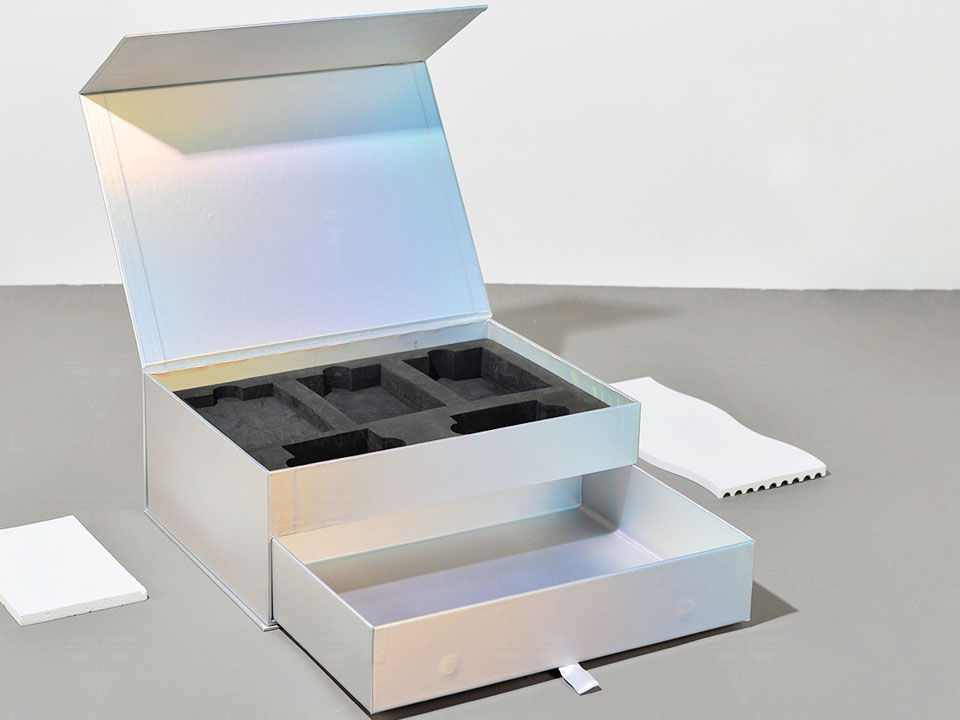
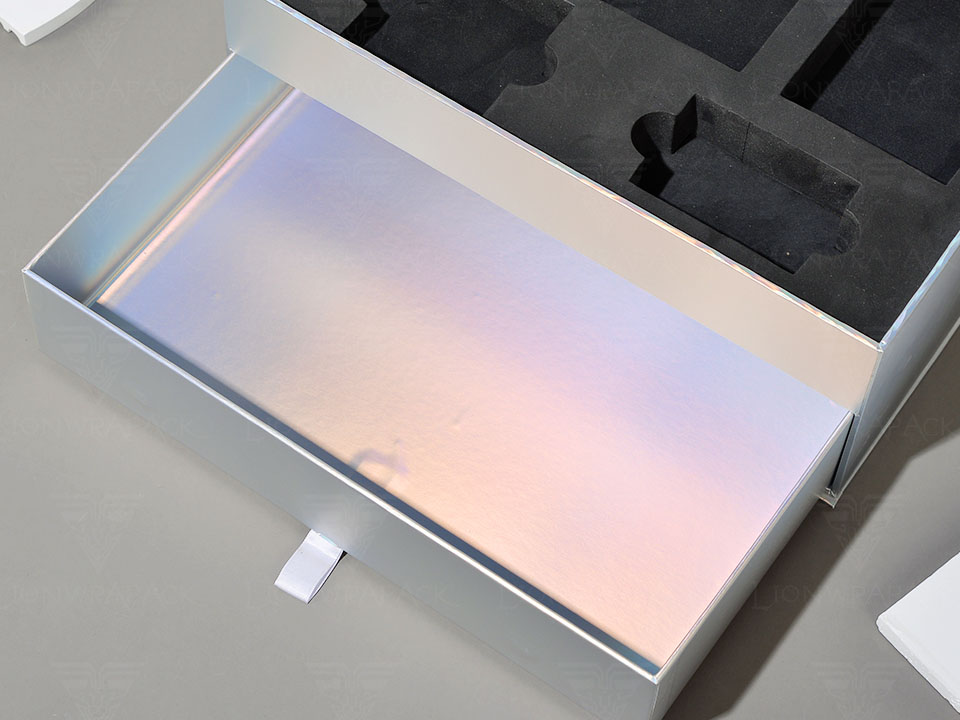
Caixa com gavetas
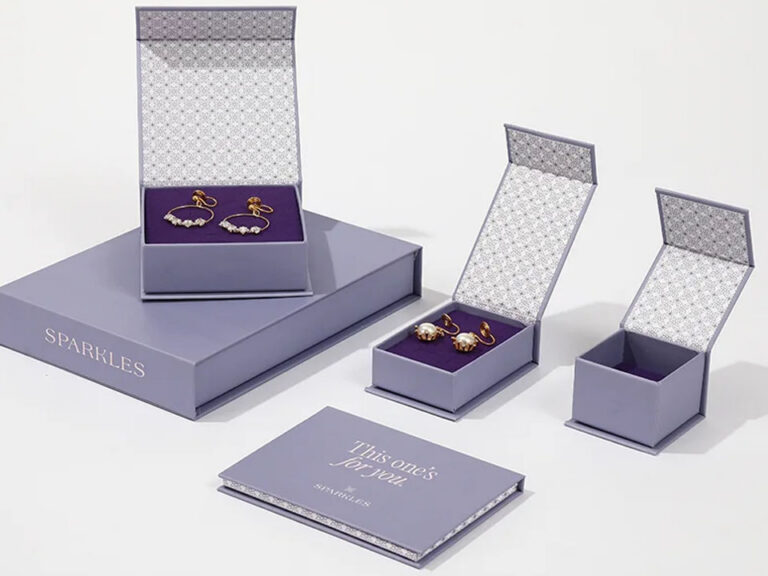
Joalharia, conjuntos de cosméticos, acessórios, cartões-presente
Revelação gradual, condução ao estilo boutique
Mais coordenação entre a estrutura e as inserções
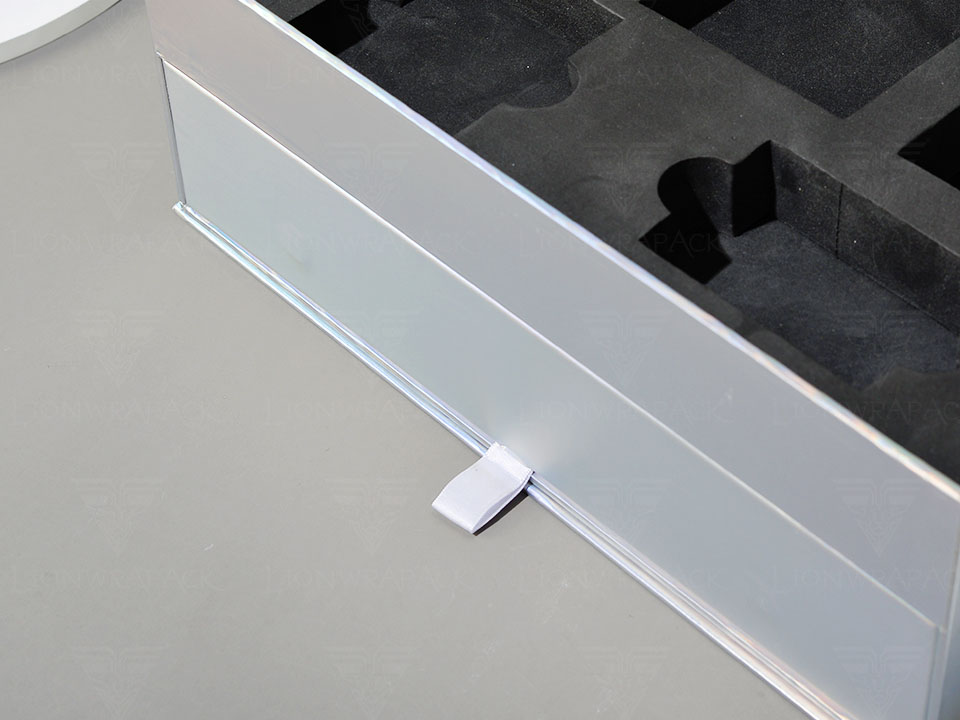
A fraca tolerância ao deslizamento dá uma sensação de baixa qualidade
Caixa com fecho magnético
Conjuntos de perfumes, kits de cosméticos, pacotes promocionais para influenciadores
Moderno, simples, reutilizável
Custo dos ímanes e volume de envios
Os ímanes fracos estragam o taco de bilhar de alta qualidade
Caixa com tampa amovível
Velas, enfeites, joias, artigos para presente
Clássico, cerimonial, pronto para oferecer
Mais trabalho manual e controlo do ajuste da tampa
As tampas soltas dão a sensação de serem de baixa qualidade
Caixa rígida dobrável
Vestuário, conjuntos de presente, encomendas premium de comércio eletrónico
Aspecto de alta qualidade com menos espaço de arrumação
Mais etapas de engenharia e montagem
As linhas de dobra mal feitas prejudicam a perceção de qualidade
Reparem no que não colocámos em primeiro lugar.
Impressão.
A impressão é importante. Claro que é. Estampagem em folha metálica, gravação em relevo, gravação em baixo-relevo, verniz UV localizado, tinta metálica, papel texturado, laminação «soft-touch» — tudo isso pode ajudar. Mas a decoração não consegue compensar uma estrutura fraca. Uma caixa rígida mal acabada com folha metálica dourada continua a dar a sensação de estar mal acabada.
É possível que o cliente não conheça a palavra «tolerância».
De qualquer forma, eles sentem isso.
O design minimalista costuma parecer mais sofisticado
Algumas marcas têm medo do espaço em branco.
Não deviam.
A 2024 Revista de Marketing Um estudo resumido pela Universidade de Illinois analisou o design de embalagens simples através de um estudo de campo sobre 1 353 embalagens de produtos de supermercado e seis estudos pré-registados. A investigação associou um design de embalagem mais simples a uma maior disposição para pagar, devido à perceção de pureza, dependendo do contexto do produto e da marca. Fonte: «Symbolically Simple: How Simple Packaging Design Influences Willingness to Pay».
Também observámos o mesmo na área das embalagens de produtos premium.
Uma caixa rígida mate com um logótipo simples, tampa que encaixa perfeitamente, papel texturado e um encarte adequado pode transmitir uma sensação de maior qualidade do que uma caixa coberta de imagens chamativas e folha metálica em todas as faces. A primeira caixa transmite confiança. A segunda parece nervosa.
Pronto. Já o dissemos.
As embalagens de luxo costumam ficar melhores quando o designer retira mais um elemento.
As especificações que os compradores devem verificar antes da decoração
Antes de discutir sobre a cor da folha metálica, verifica os elementos que realmente determinam se a caixa transmite uma sensação de qualidade superior.
Espessura da placa: As espessuras mais comuns das caixas rígidas situam-se, normalmente, em cerca de 1,5 mm, 2,0 mm ou 2,5 mm, dependendo do tamanho e do peso do produto.
Tolerância da tampa: A tampa deve dar a sensação de estar bem fixa, sem estar encravada, solta ou a balançar.
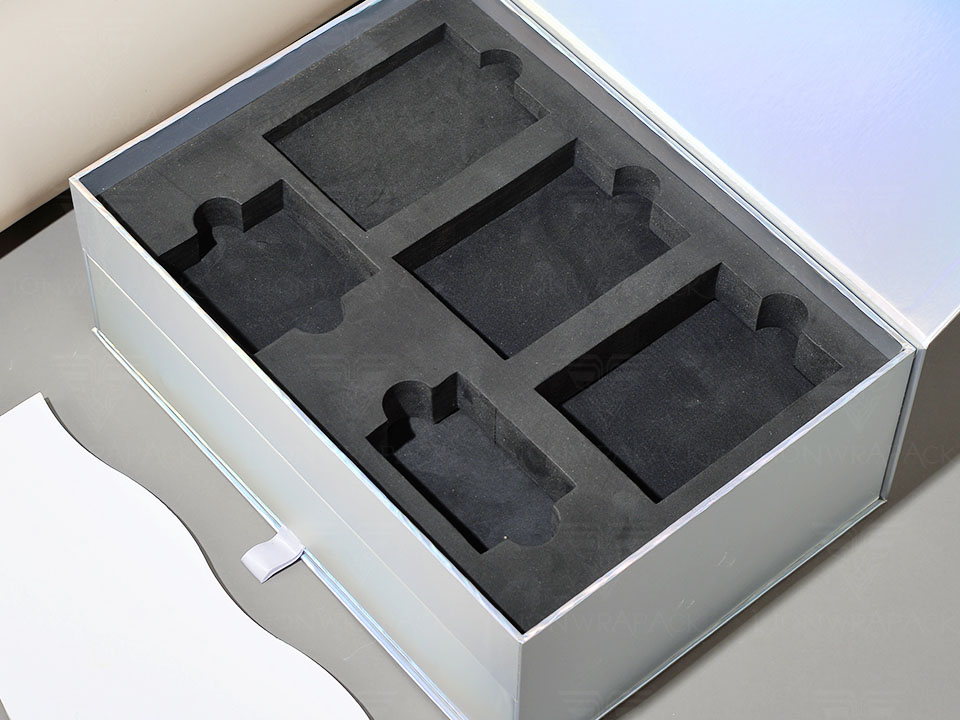
Ajuste da inserção: O EVA, o cartão, a polpa moldada, a espuma, o forro de seda e as inserções de cartão têm todos impactos diferentes em termos de custos e manuseamento.
Papel de superfície: O papel texturado, o papel revestido, o papel kraft, o papel tingido especial ou o papel artístico impresso e laminado podem alterar completamente a sensação ao toque.
Envolvimento dos cantos: Manter os cantos limpos é mais importante do que a maioria das pessoas pensa.
Força do íman: Os ímanes fracos estragam rapidamente as caixas com fecho magnético.
Sequência de revelação: O cliente deve ver primeiro o produto principal, e não marcas de cola, pó ou espaços vazios que pareçam deslocados.
Isto é a parte chata.
E também as coisas importantes.
A sustentabilidade já faz parte da conversa
As caixas rígidas de luxo apresentam um problema de sustentabilidade.
Não podemos fugir a isso.
Utilizam mais material do que as caixas dobráveis. Algumas incluem ímanes, espuma, tabuleiros de plástico, invólucros laminados, fitas de puxar, forros de tecido ou inserções de materiais mistos. Algumas marcas exageram na sua construção porque confundem peso com qualidade.
Isso funcionou durante algum tempo.
Isso não vai funcionar para sempre.
A Comissão Europeia refere o Regulamento relativo às embalagens e aos resíduos de embalagens 2025/40 entrou em vigor em 11 de fevereiro de 2025 e, em geral, aplica-se a partir de 12 de agosto de 2026. O regulamento aplica-se às embalagens, independentemente do material ou da origem, e incentiva o mercado da UE a optar por embalagens que possam ser recicladas de forma economicamente viável por 2030. Fonte: Comissão Europeia: Resíduos de embalagens.
Os dados relativos aos resíduos também parecem imprecisos.
O Eurostat informou que a UE gerou 84 milhões de toneladas de resíduos de embalagens em 2021, igual a 188,7 kg por habitante. Papel e cartão constituíam 40.3% desses resíduos de embalagens. Fonte: Relatório do Eurostat sobre a produção de resíduos de embalagens.
Então, as marcas devem deixar de utilizar caixas rígidas de luxo?
N.º.
Devem concebê-las com rigor. Escolham o tamanho adequado da caixa. Eliminem o espaço morto. Utilizem inserções em papel sempre que possível. Evitem a mistura desnecessária de materiais. Considerem a utilização de ímanes removíveis. Deixem de adicionar camadas só porque a concorrência o fez.
O «Premium» não pode continuar a parecer um desperdício para sempre.
Os compradores dão por isso. Os retalhistas dão por isso. E os reguladores, sem dúvida, dão por isso.
Quando as caixas rígidas personalizadas fazem realmente sentido
Utilizaríamos caixas rígidas personalizadas quando a estrutura reforçasse a história de venda do produto.
Não quando isso serve apenas para elogiar a equipa da marca.
Bom ajuste:
Frascos de perfume com preços acima dos níveis básicos
Conjuntos de joalharia, relógios, adornos e edições limitadas
Kits de cuidados da pele e conjuntos de cosméticos de alta qualidade
Velas, difusores e conjuntos de presentes perfumados
Roupa de marca, cachecóis, cintos e acessórios
Presentes empresariais e kits promocionais VIP
Acessórios eletrónicos em que tanto a proteção como a apresentação são importantes
E-mails de relações públicas para influenciadores em que a sequência inicial é filmada
Mau ajuste:
Artigos de uso diário com margens reduzidas
Produtos de uso doméstico em que os clientes não se importam com a embalagem de apresentação
SKUs pesadas do comércio eletrónico, em que os custos de transporte já representam um encargo
Produtos cuja embalagem o cliente deita fora imediatamente
Marcas com um posicionamento premium fraco
Produtos baratos que tentam fingir ser de luxo apenas através da embalagem
Essa última parte dói porque acontece constantemente.
Um produto medíocre dentro de uma embalagem apelativa não se torna um produto de luxo. Torna-se ainda mais decepcionante. A embalagem cria uma expectativa, mas o produto não a cumpre.
Isso é pior do que as embalagens genéricas.
Pelo menos, as embalagens neutras não prometem mais do que aquilo que cumprem.
O verdadeiro objetivo é controlar o primeiro julgamento
As pessoas tomam decisões rapidamente.
Talvez demasiado depressa. Mas é assim que funciona o comércio a retalho.
A primeira impressão é formada através do peso, da textura, do movimento da tampa, do manuseamento da inserção, do acabamento das bordas, do controlo da cor e da revelação. Quando o cliente toca no produto, o cérebro já formou uma avaliação aproximada da qualidade.
É aí que as caixas rígidas de luxo ganham o seu lugar.
São eles que decidem o primeiro julgamento.
Pela nossa experiência, os melhores compradores não se limitam a perguntar sobre os acabamentos. Perguntam sobre os pontos de falha.
Será que os cantos vão amolgar-se? Será que a inserção vai deslocar-se? Será que a folga da tampa se manterá constante? Será que o papel de embrulho vai riscar-se durante a embalagem? Será que o transporte marítimo vai deformar a caixa? Será que o cliente vai ficar com ela?
É assim que se tomam decisões importantes em matéria de embalagem.
Não basta recorrer apenas a painéis de inspiração. Não basta dizer “faça com que seja de luxo”. Uma embalagem verdadeiramente de luxo requer estrutura, uma lógica de custos e repetibilidade na produção.
Como decidir se uma caixa rígida de luxo vale o custo
Não comeces por perguntar: “Como é que podemos fazer com que isto tenha um aspeto de alta qualidade?”
Começa pelas perguntas mais difíceis.
Qual é o preço de retalho? Qual é a margem bruta? O produto é frágil? Os clientes compram-no para oferecer? Vão guardar a embalagem? O produto será vendido diretamente ao consumidor (DTC), por grosso, a retalho ou pelas três vias? Quantas unidades serão realmente necessárias para a primeira encomenda? O fornecedor consegue reproduzir a amostra aprovada em grandes quantidades sem desvios de tolerância?
Essa última parte é importante.
Uma amostra bonita não garante uma produção em série de qualidade. Já vimos amostras aprovadas que pareciam perfeitas, mas, na produção em série, revelaram bolhas nos cantos, variações de cor, ímanes fracos, inserções soltas e riscos na superfície causados pela embalagem.
Irritante? Sim.
E também é caro.
O objetivo das embalagens personalizadas em caixa rígida não é a decoração. Estas protegem o produto, realçam a sua apresentação, contribuem para a experiência de oferecer um presente, defendem o preço e fazem com que a primeira interação pareça intencional.
Se fizer isso, usa-o.
Se não for o caso, ignora a caixa do ego.
Perguntas frequentes
Para que servem as caixas rígidas de luxo?
As marcas utilizam caixas rígidas de luxo para proteger produtos de maior valor, melhorar a primeira impressão visual e tátil, incentivar a oferta de presentes e ajudar a tornar o preço elevado mais credível antes de o cliente manusear o artigo no interior, especialmente no caso de cosméticos, perfumes, joalharia, vestuário, eletrónica, velas e artigos promocionais de edição limitada. A caixa confere ao produto uma primeira impressão mais duradoura e marcante.
Na linguagem do mundo das embalagens simples, a caixa chama a atenção. Faz com que o cliente pare por um momento, sinta o material, repare na tampa e trate o produto com mais cuidado antes de o abrir completamente.
As caixas rígidas personalizadas são melhores do que as caixas dobráveis?
As caixas rígidas personalizadas são mais adequadas do que as caixas dobráveis quando um produto necessita de uma estrutura mais resistente, uma revelação mais gradual, uma apresentação pronta para oferecer e um toque mais sofisticado, enquanto as caixas dobráveis costumam ser mais adequadas para produtos leves, com margens mais baixas e de grande volume, em que o custo, a rapidez e a eficiência no envio são mais importantes. A escolha certa depende do preço, da margem, da fragilidade e das expectativas do cliente.
Uma caixa de cartão dobrável não é uma embalagem má. Apenas resolve um problema diferente. Por vezes, a estrutura mais barata protege melhor o negócio do que a mais bonita.
Por que é que as caixas rígidas de luxo transmitem uma sensação de maior qualidade?
As caixas rígidas de luxo transmitem uma sensação de maior qualidade porque o cartão espesso, a resistência controlada da tampa, o acabamento limpo das arestas, as inserções à medida e o peso ao toque transmitem sinais tangíveis de cuidado, proteção e valor antes mesmo de o cliente avaliar o produto em si. A estrutura fala muitas vezes mais alto do que a estampagem em folha metálica, o relevo, o UV seletivo ou a cobertura de impressão decorativa.
O cliente pode não dizer “a tolerância da tampa parece-me boa”, mas sabe-o. A mão percebe rapidamente quando algo é de má qualidade.
Que produtos devem utilizar embalagens personalizadas em caixa rígida?
As marcas devem utilizar embalagens rígidas personalizadas para produtos em que a proteção, a apresentação como presente, a exposição e a perceção do preço influenciam diretamente a confiança na compra, tais como frascos de perfume, conjuntos de joalharia, cosméticos de luxo, velas, acessórios eletrónicos, artigos de vestuário para presente, enfeites, presentes corporativos, kits VIP e embalagens para influenciadores. Estes produtos beneficiam de uma revelação mais impactante e de uma primeira impressão mais controlada.
Se a embalagem ajudar a vender a história do produto, vale o seu custo. Se apenas fizer com que o orçamento para embalagens pareça maior, não vale.
As caixas de embalagem de luxo justificam o custo adicional?
As caixas de embalagem de luxo justificam o custo adicional quando reduzem os danos, melhoram a aptidão para oferecer como presente, aumentam o valor percebido, reforçam o posicionamento da marca e fazem com que a experiência de venda a retalho ou de desembalagem pareça mais cuidada do que uma caixa dobrável normal. Falham quando aumentam o custo unitário, o volume de frete, a pressão de armazenamento e o risco associado à quantidade mínima de encomenda (MOQ), sem contribuírem para que o produto seja vendido a um preço mais elevado.
Sejamos realistas. Uma caixa com um aspeto sofisticado, mas que reduz a margem de lucro, não é uma embalagem inteligente. É um desperdício de dinheiro com papel de melhor qualidade.
O que devem os compradores verificar antes de encomendar caixas de instalação rígidas?
Os compradores devem verificar a espessura do cartão, a qualidade do papel de revestimento, o ajuste da tampa, a tolerância das peças internas, o revestimento dos cantos, a força do íman, a consistência da amostra, o método de embalagem em caixa de cartão, o volume de carga, a quantidade mínima de encomenda (MOQ), o prazo de produção e a repetibilidade do fornecedor antes de encomendarem caixas rígidas personalizadas. A amostra aprovada é importante, mas é a produção em massa que revela o verdadeiro nível de qualidade.
As amostras podem ser vantajosas para todos. As encomendas em grande quantidade não são vantajosas para ninguém. É por isso que os compradores devem verificar a tolerância, os riscos, a montagem das inserções, a embalagem em caixas de cartão e a qualidade dos bordos antes de aumentar a escala de produção.
Os seus próximos passos
Se estiver à procura de caixas rígidas de luxo, não comece pela estampagem em folha metálica.
Comece pelo produto. O preço. A margem. O risco de danos. O contexto da oferta. O volume de carga. A expectativa do cliente. A sequência de desembalagem.
Em seguida, escolha a estrutura adequada.
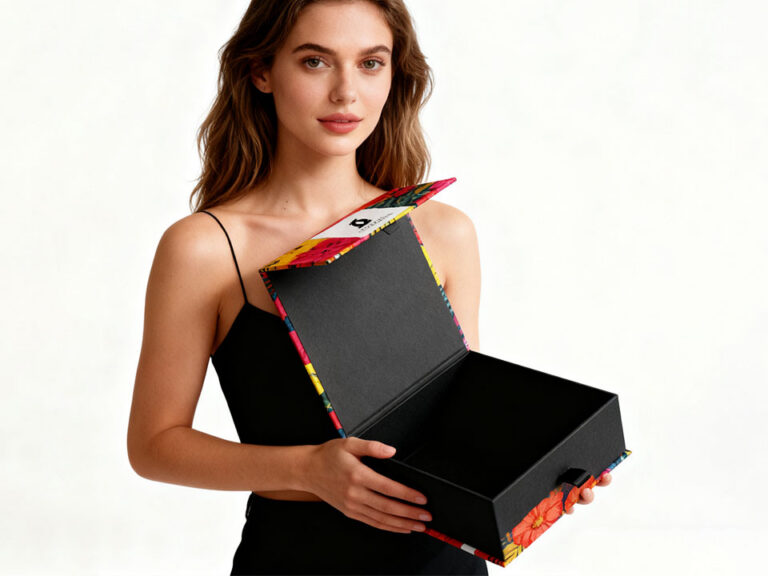
Caixa com fecho magnético. Caixa rígida com tampa removível. Caixa com gaveta. Caixa rígida em formato de livro. Caixa rígida de duas peças. Caixa rígida dobrável.
Cada uma conta uma história ligeiramente diferente.
A nossa conclusão final é simples: uma caixa rígida de luxo deve proteger o produto, realçar a marca e justificar o preço.
Se não conseguir fazer essas três coisas, não passa de um pedaço de cartão caro com melhor iluminação.